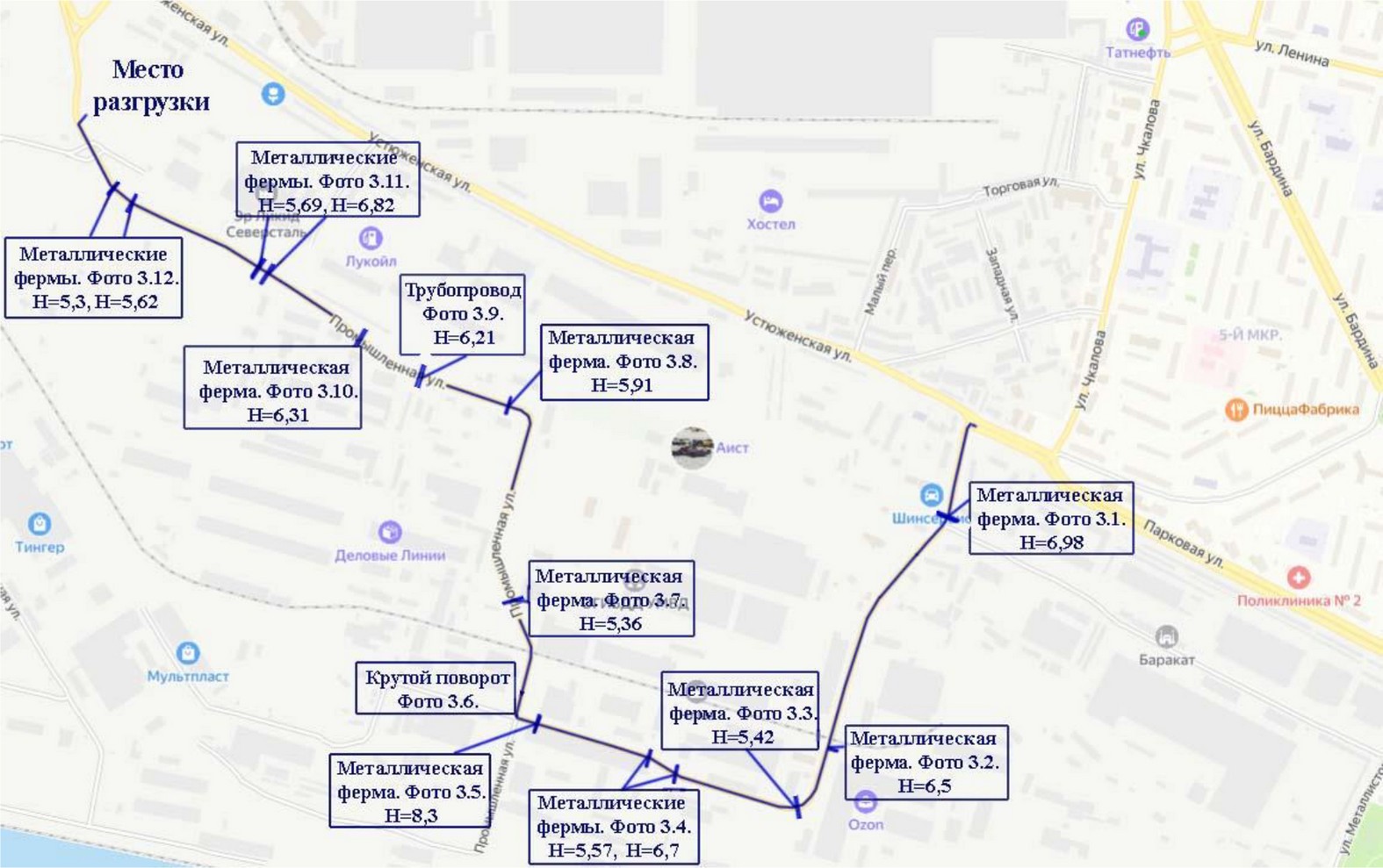
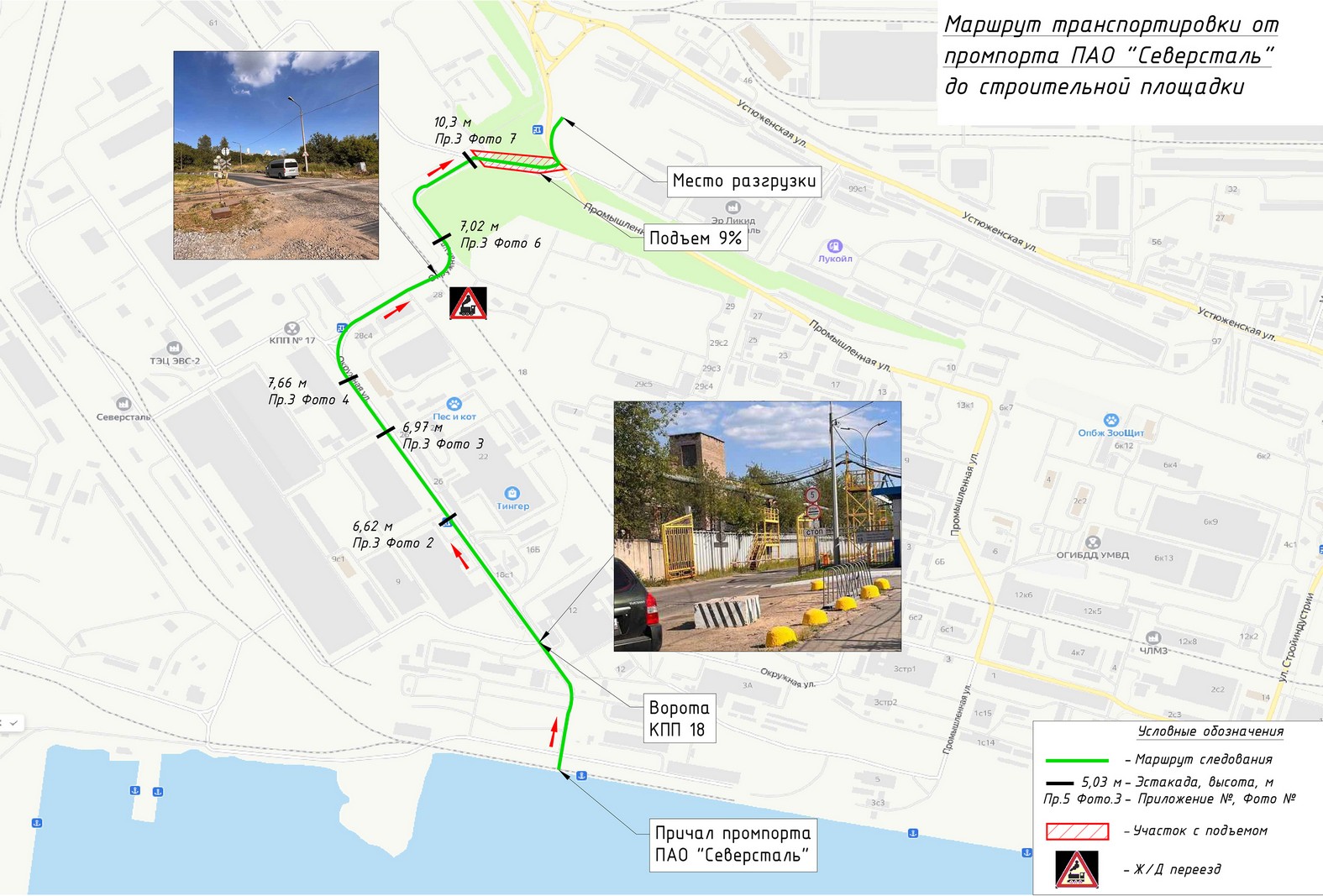
Step 1. Determination of the optimal route for cargo delivery, conduction of road survey, cost comparison and technical feasibility for OOG cargo movement.
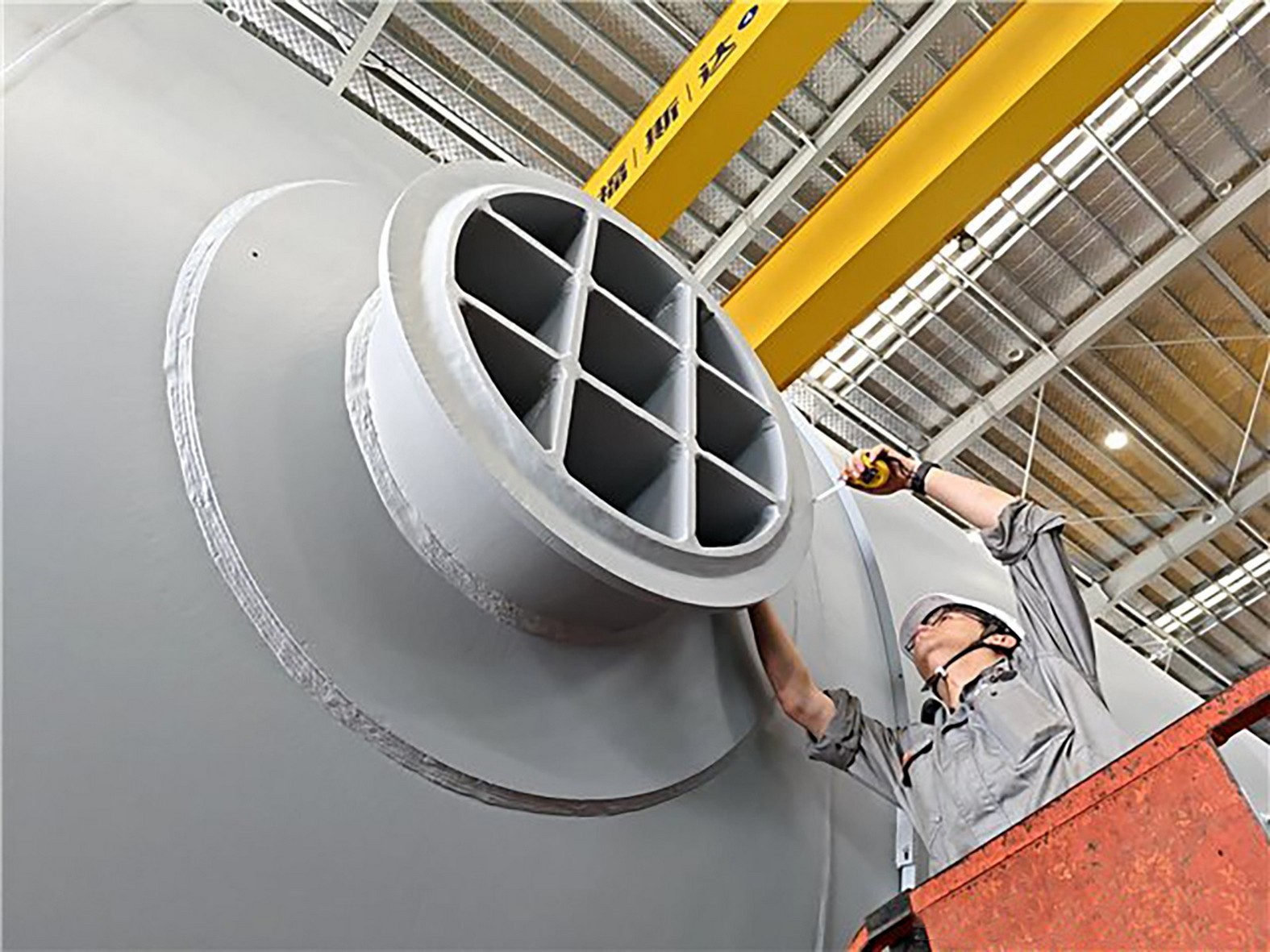
Step 2. Measurements of the dimensions of OOG cargoes on shipper’s construction site.
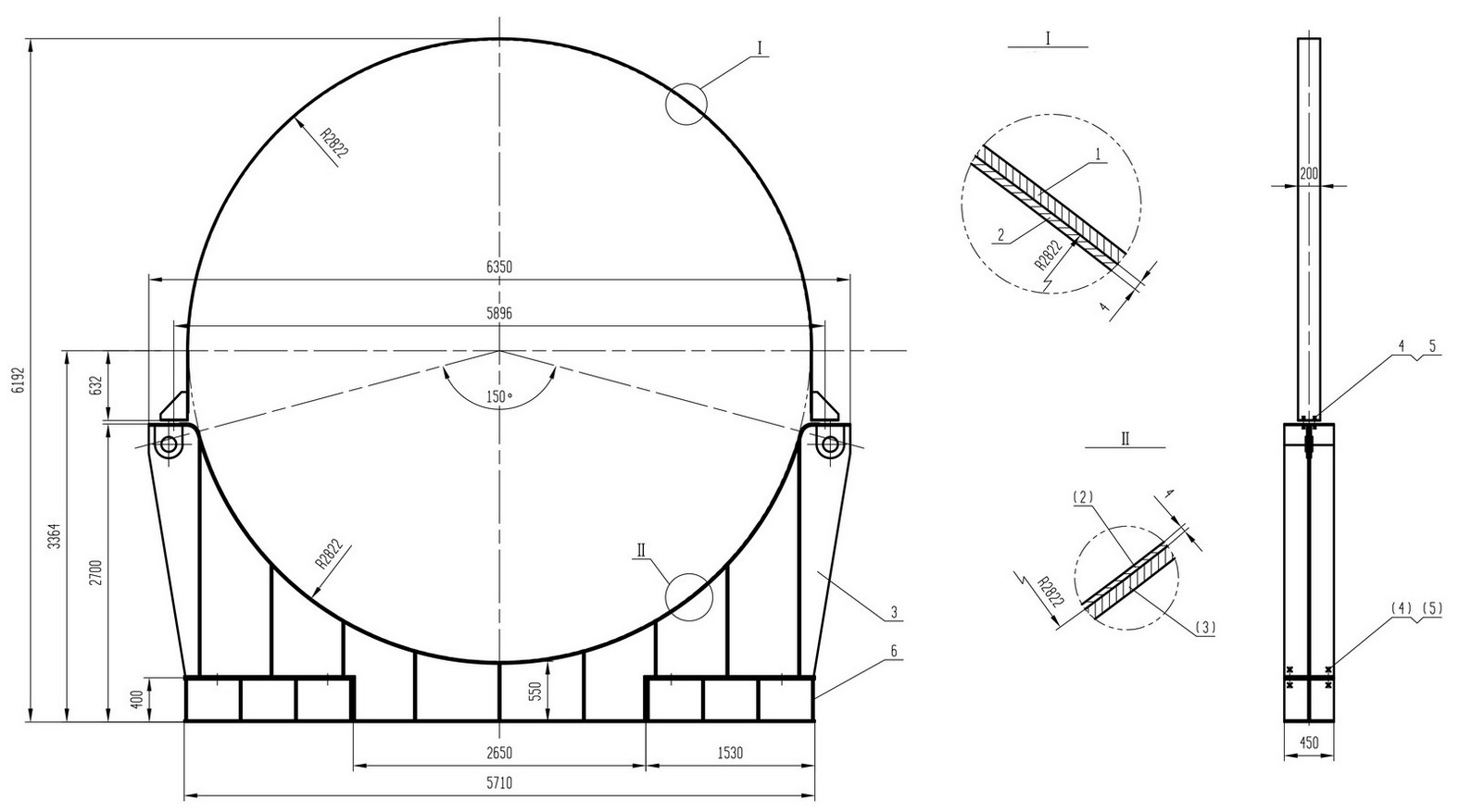
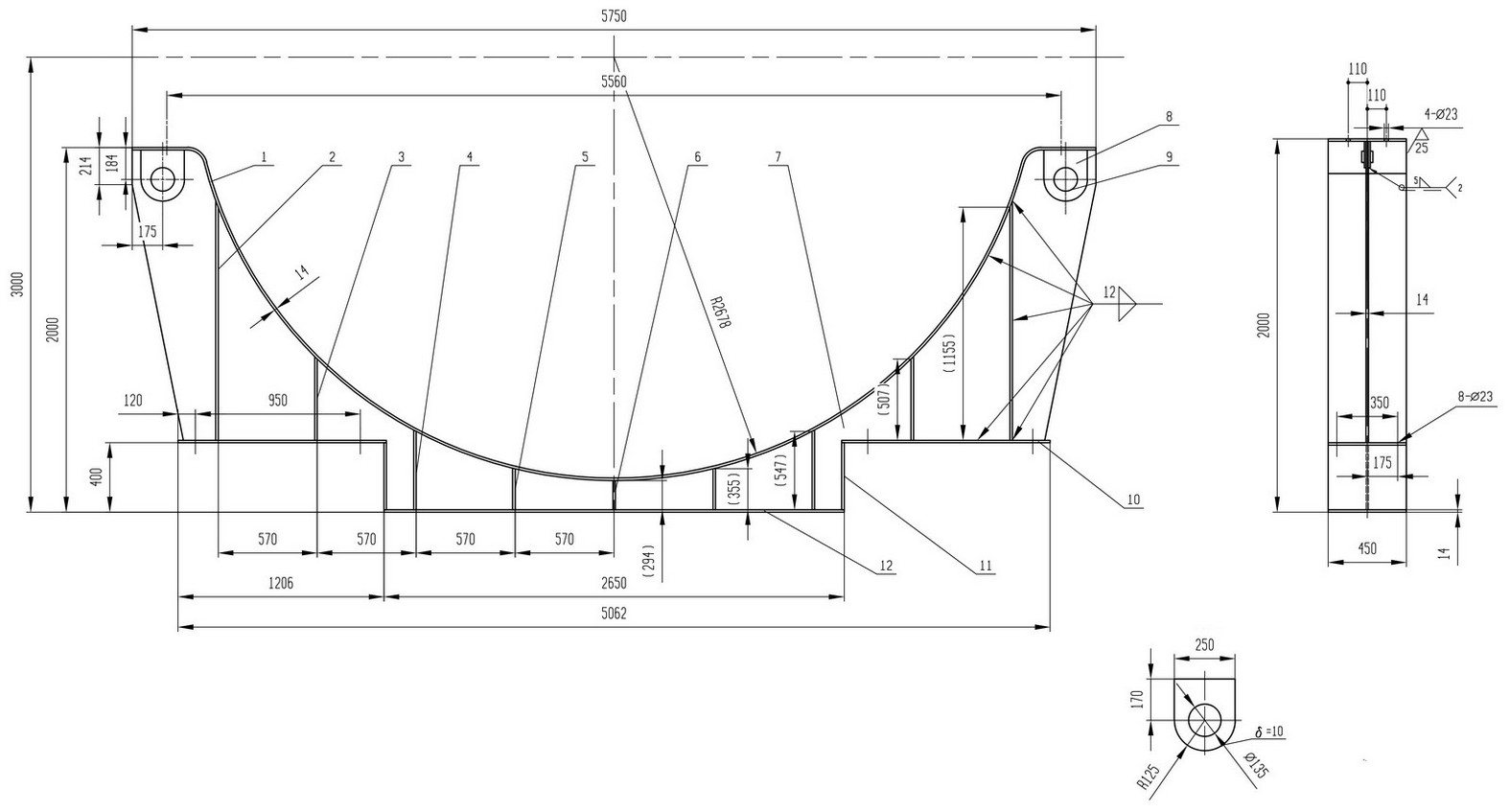
Step 3. Design of special supports for OOG units.
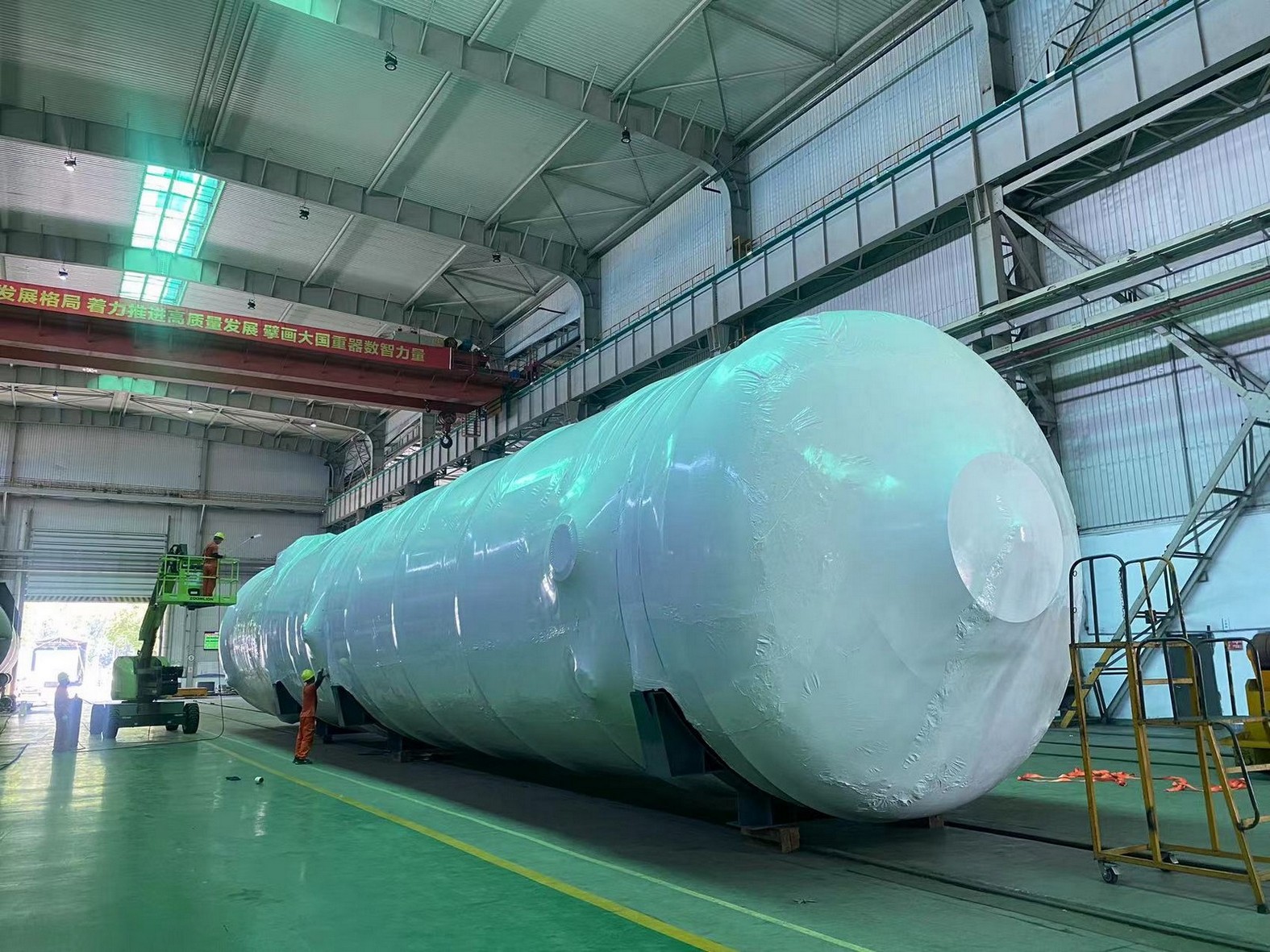
Step 4. Preparation of cargoes for ocean freight, packing of cargo in a waterproof film (seaworthy packaging).
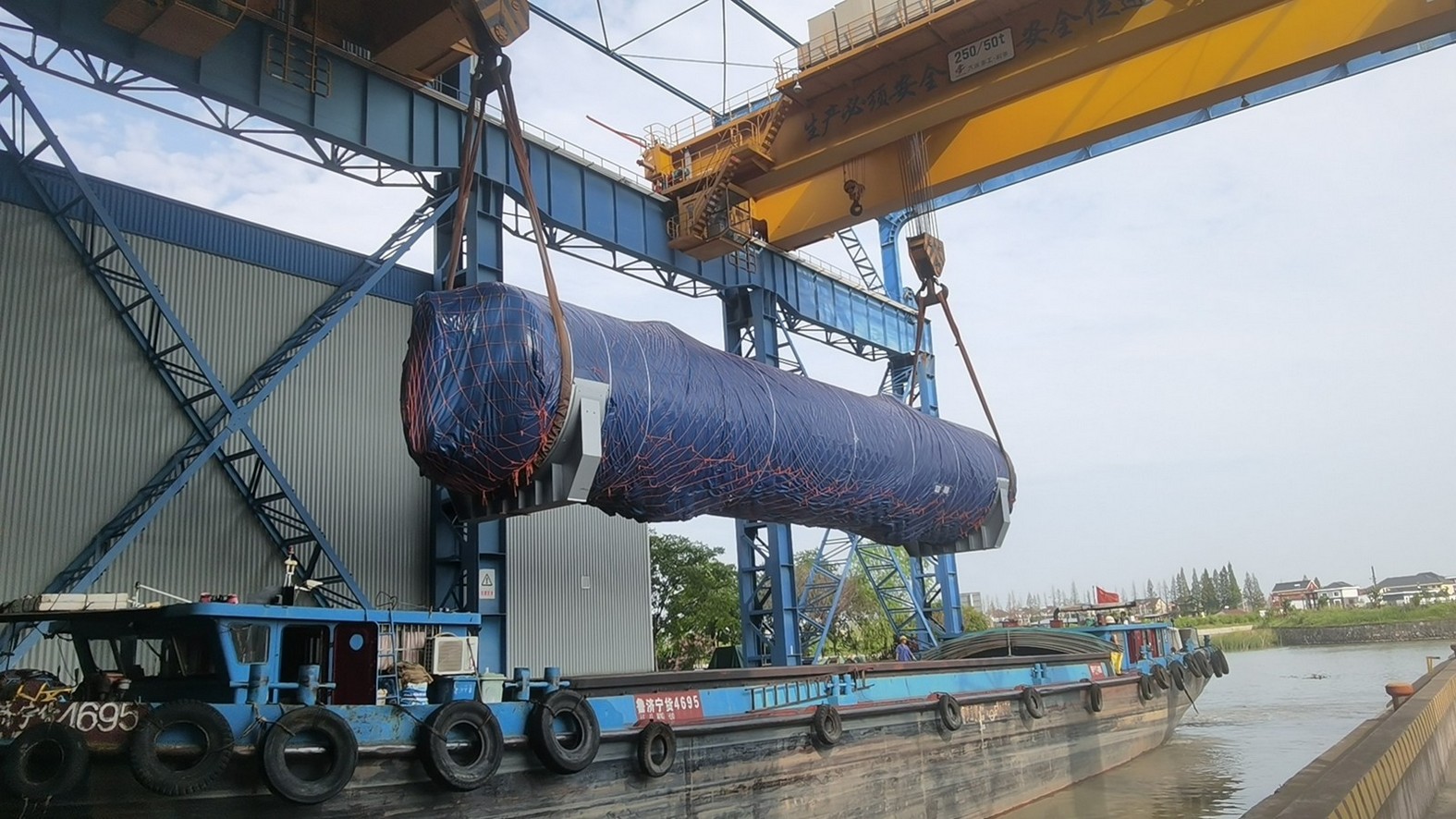
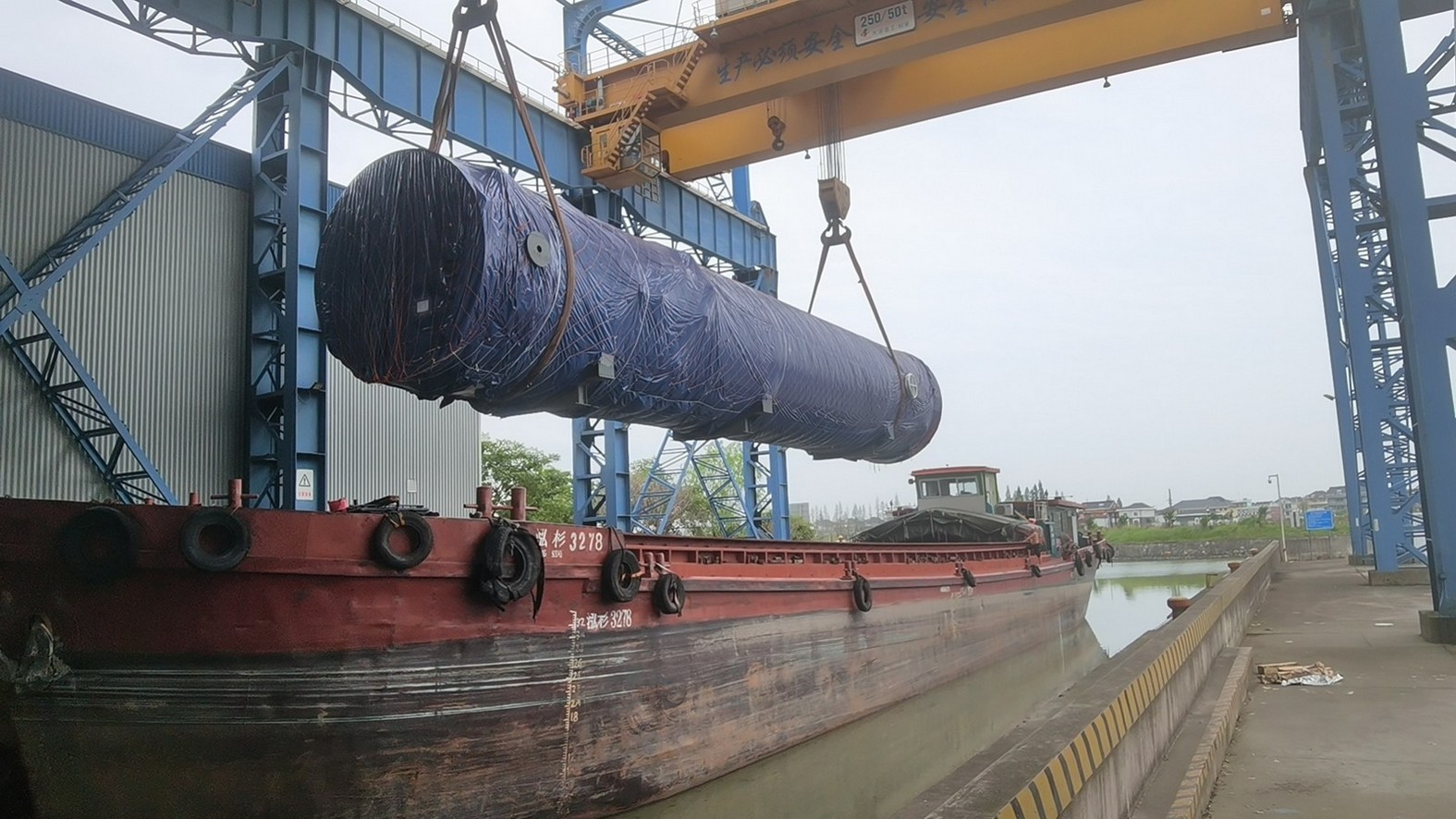
Step 5. Loading on barge or sea vessel for further delivery to port of discharge.
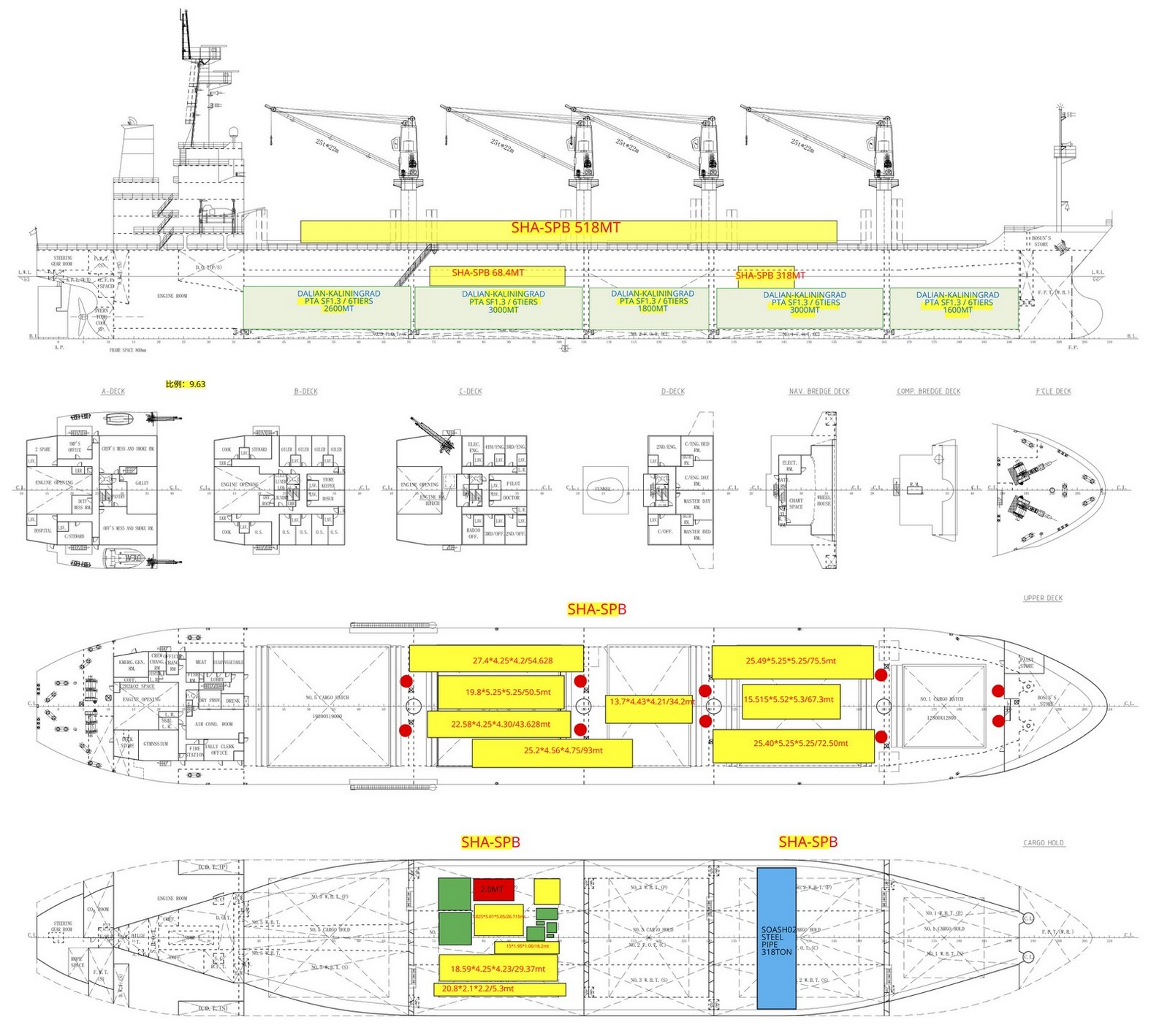
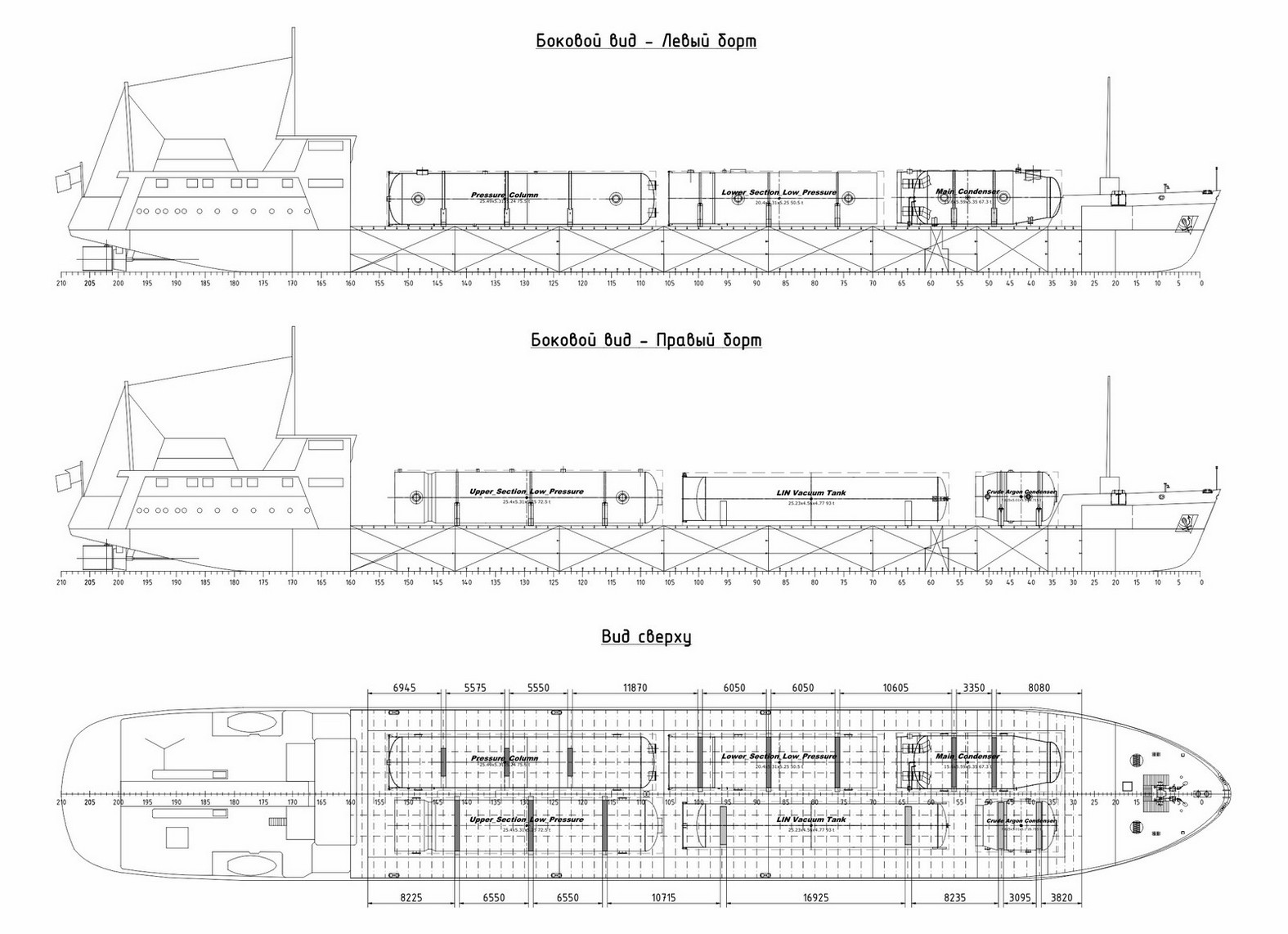
Step 6. Preparation of stowage plan.
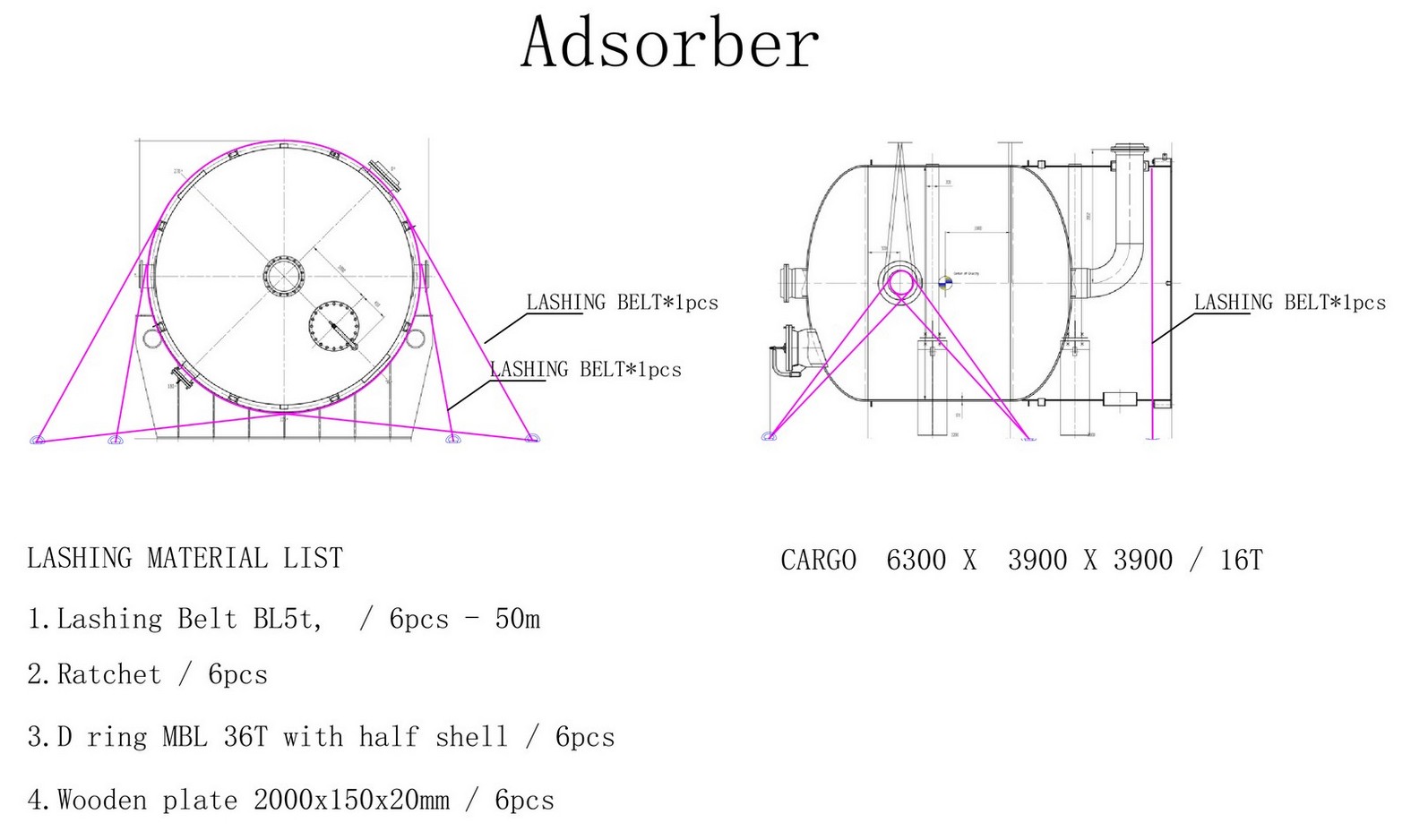
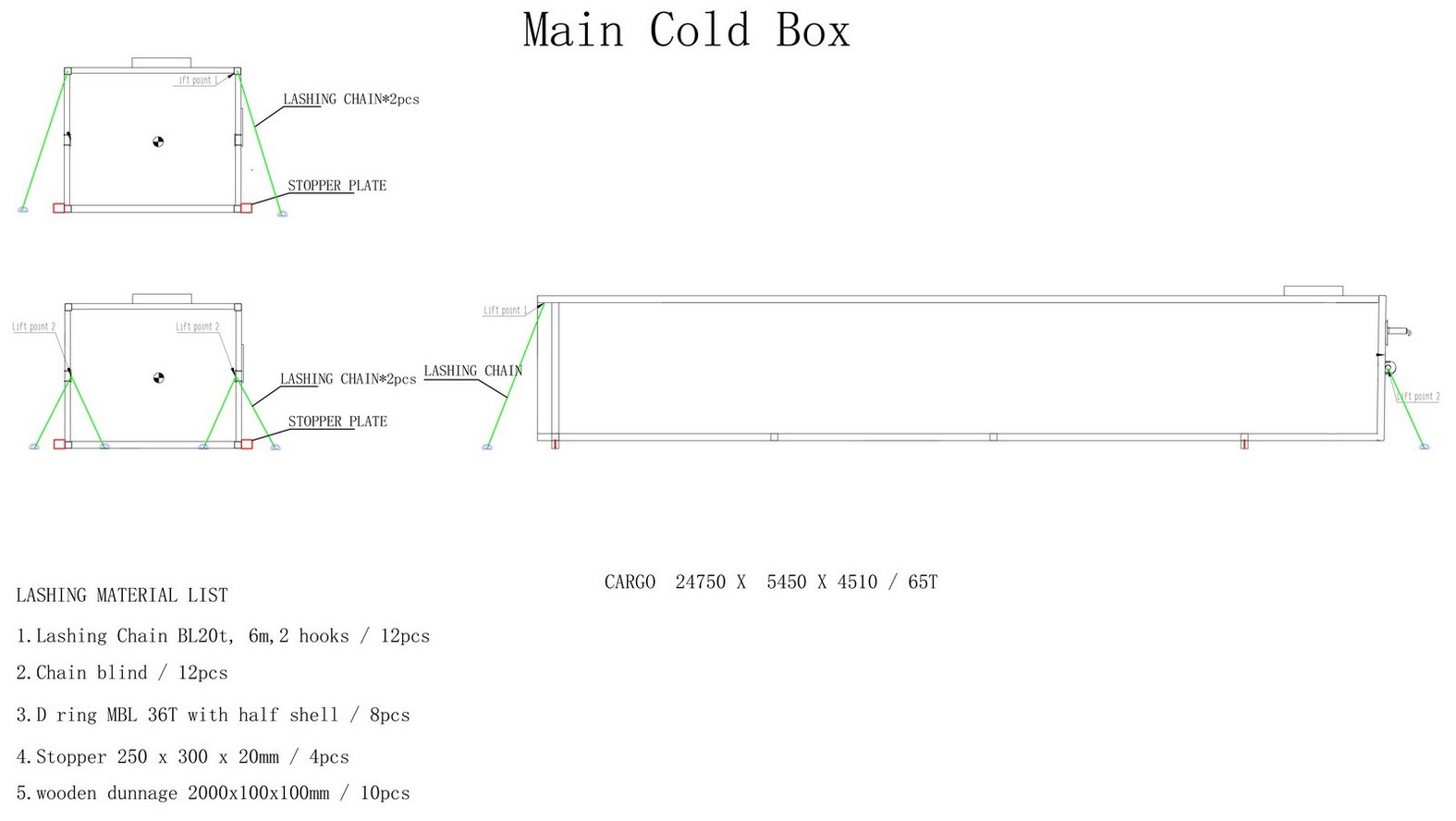
Step 7. Preparation of cargo lashing plan.
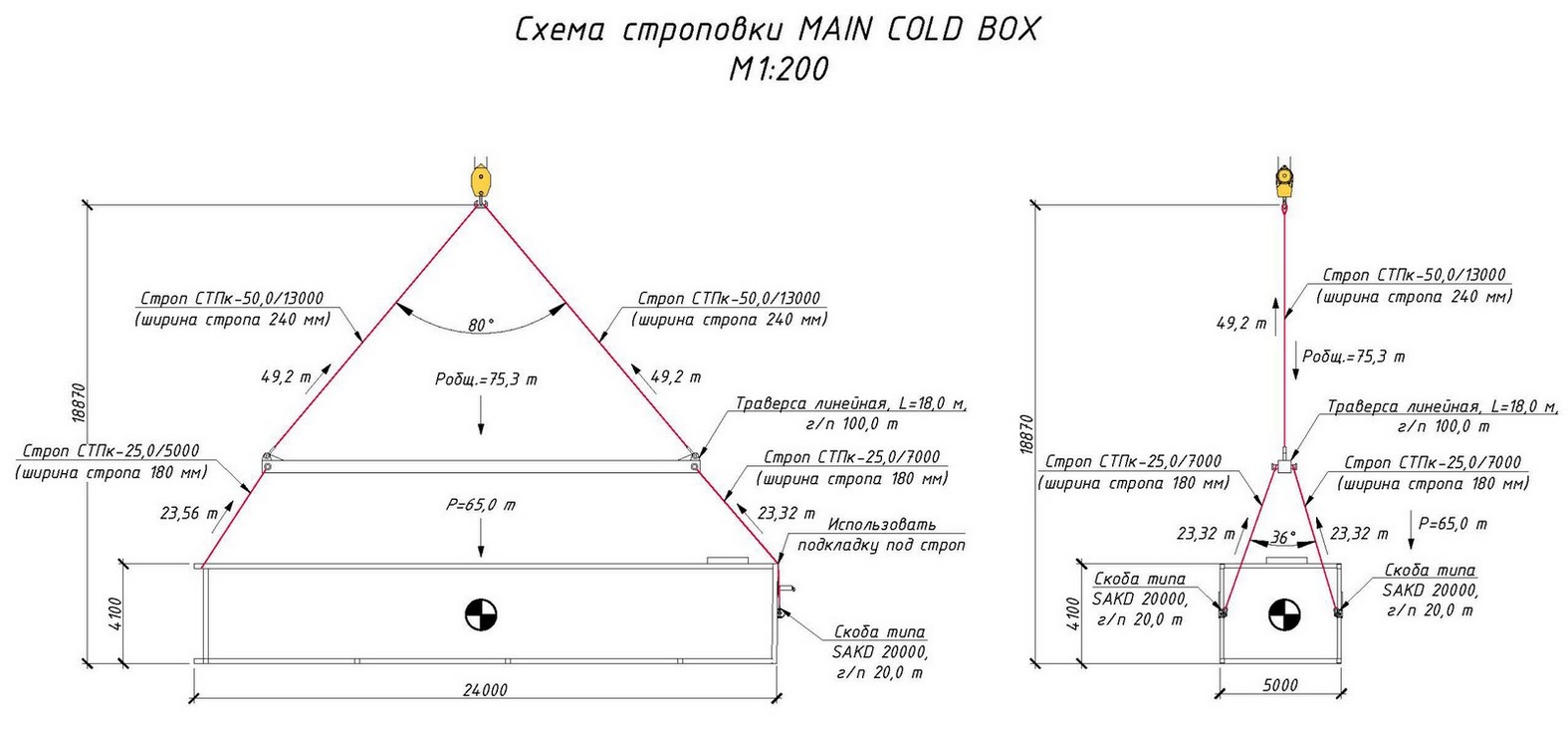
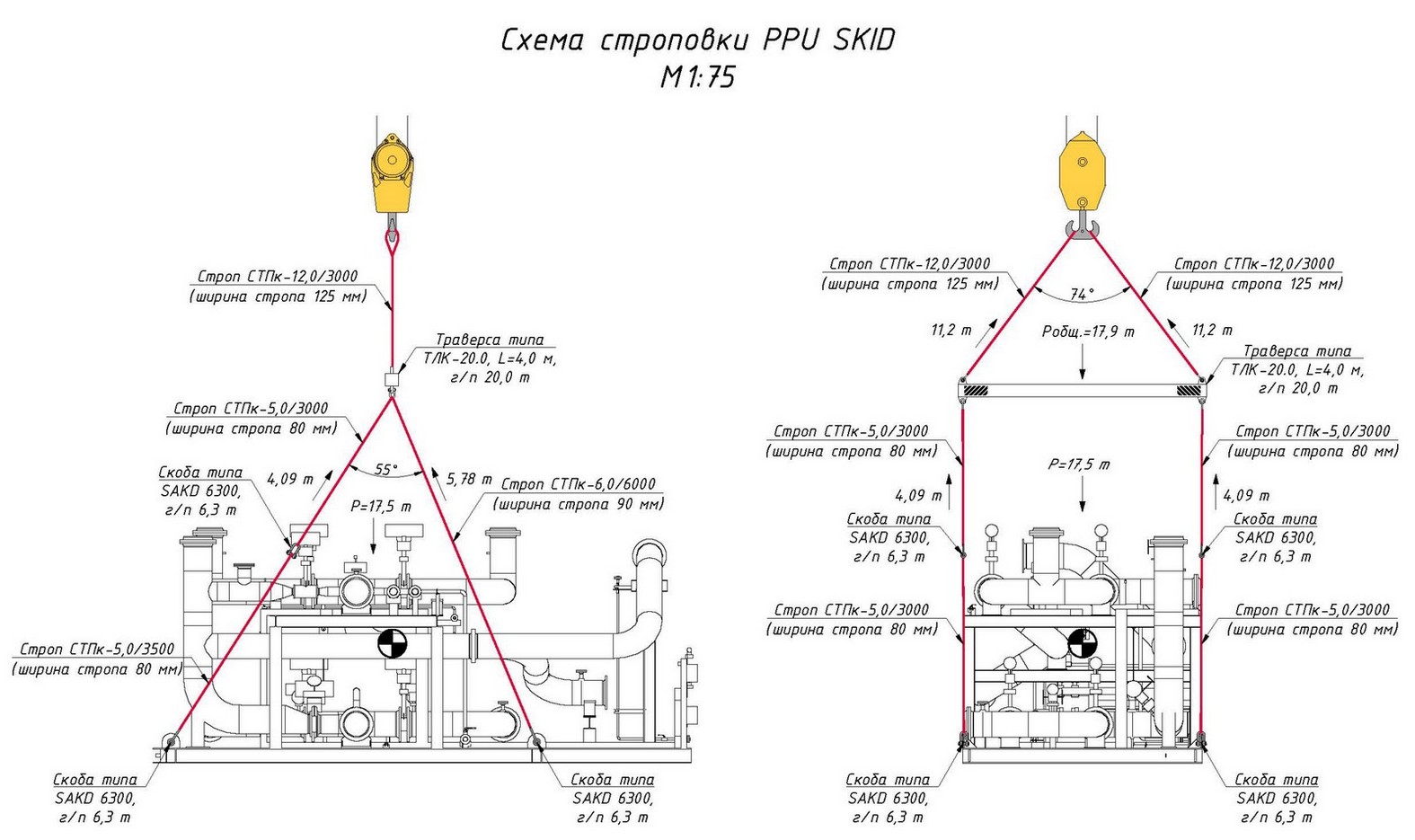
Step 8. Preparation of slinging schemes for OOG cargoes and cargoes without packaging for DTHC operations.
Step 9. Development of cargo placement schemes for river vessel transportation within Russia.
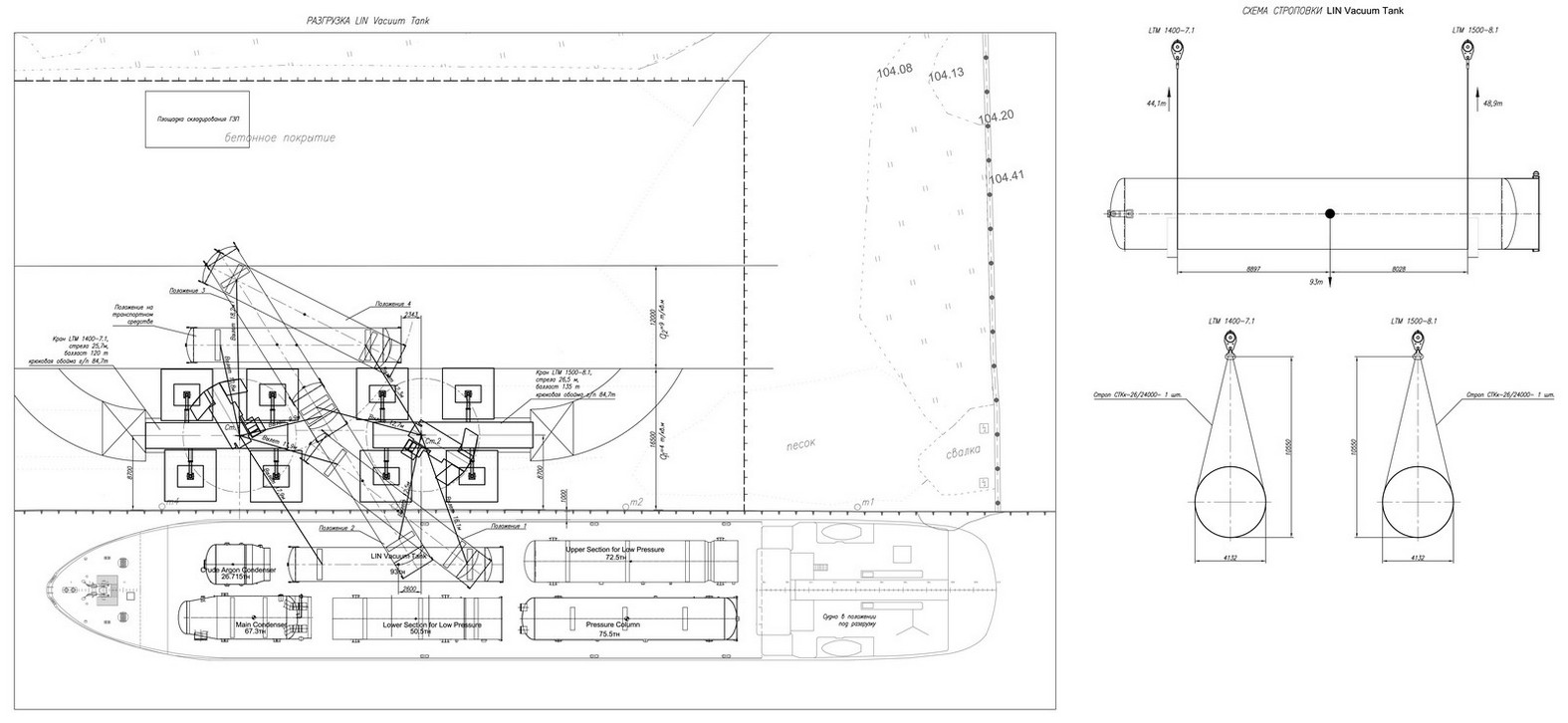
Step 10. Preparation of crane lifting schemes for THC operations in transit river ports.
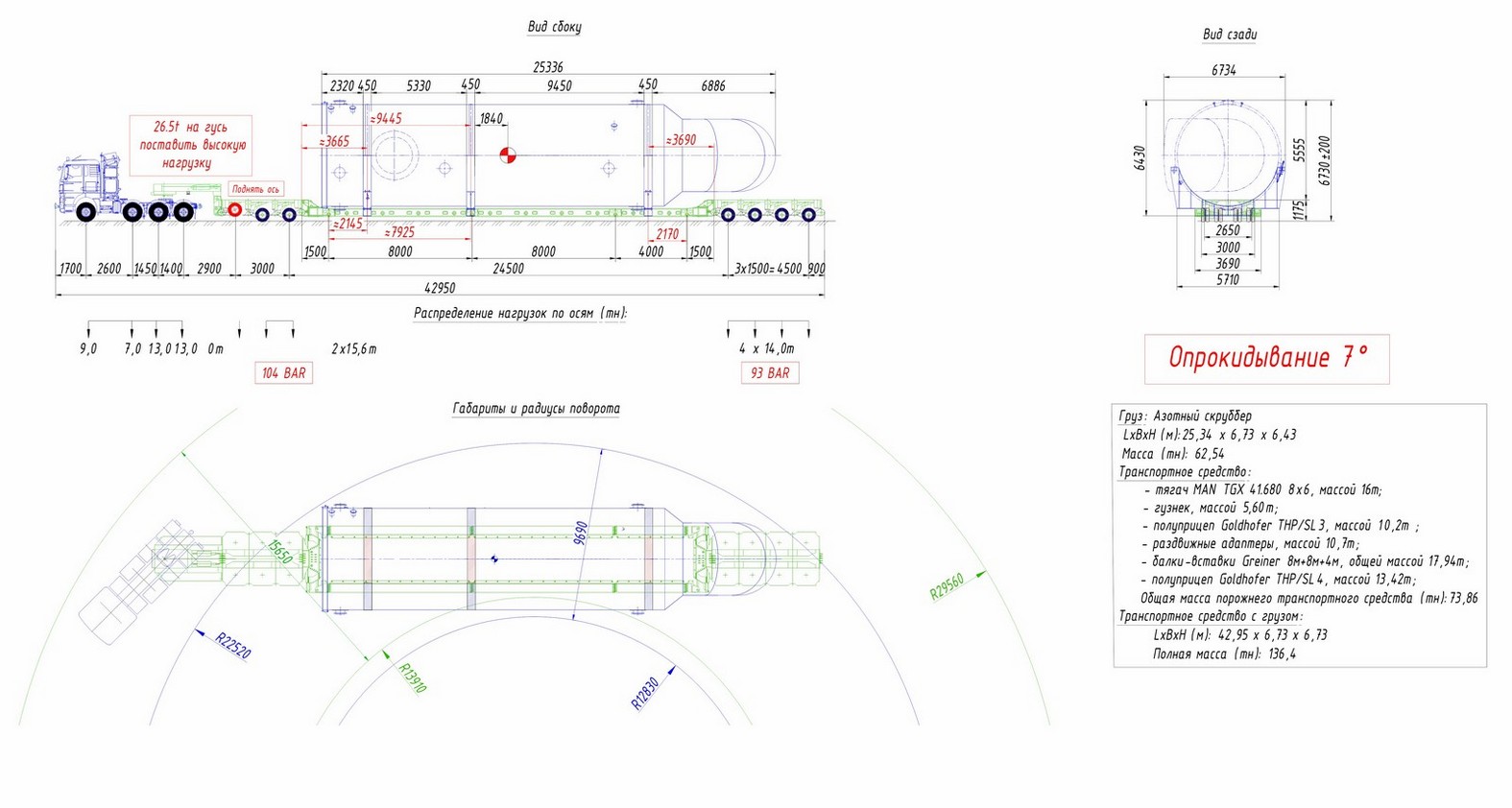
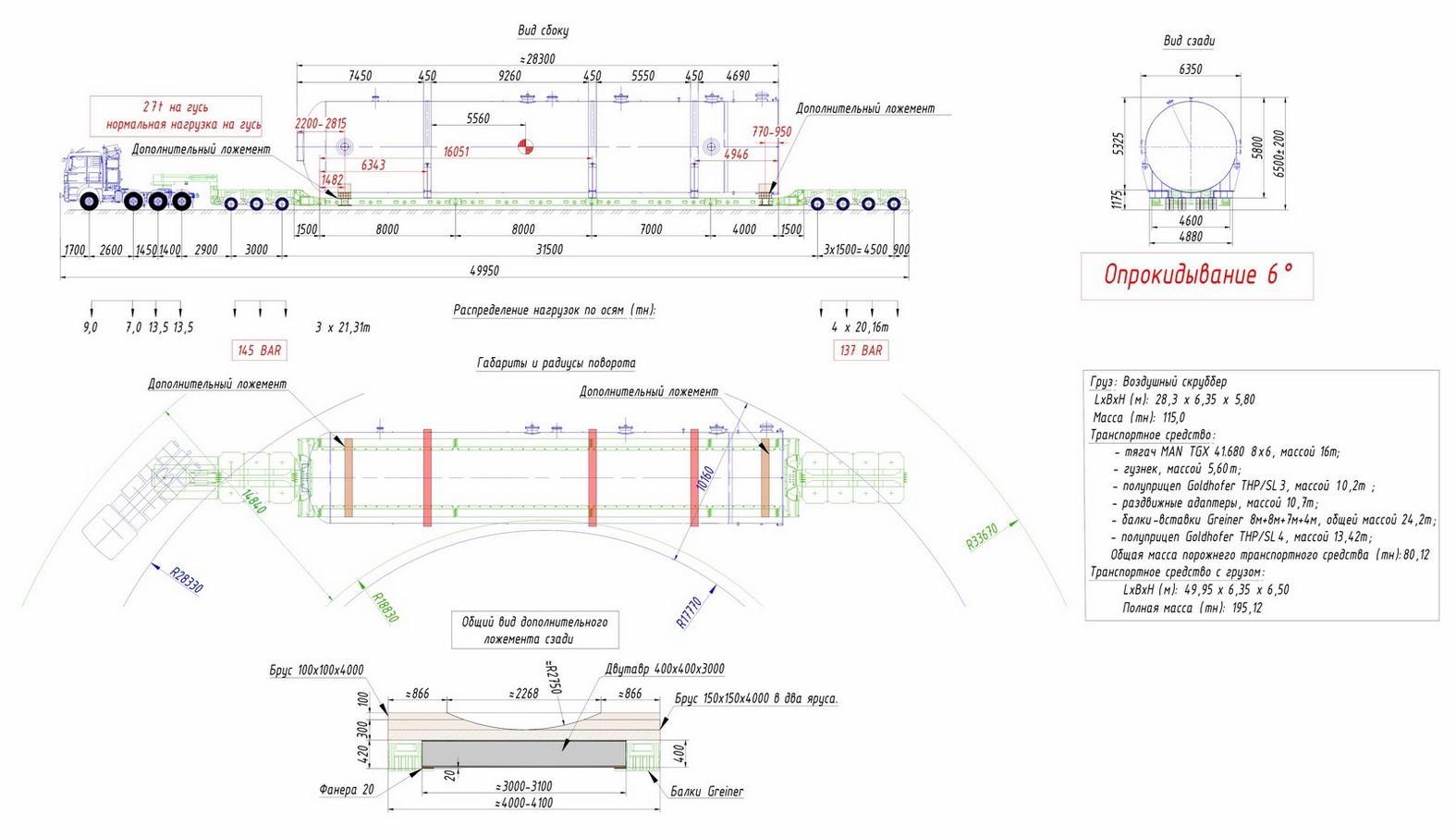
Step 11. Preparation of OOG cargoes truck loading schemes.
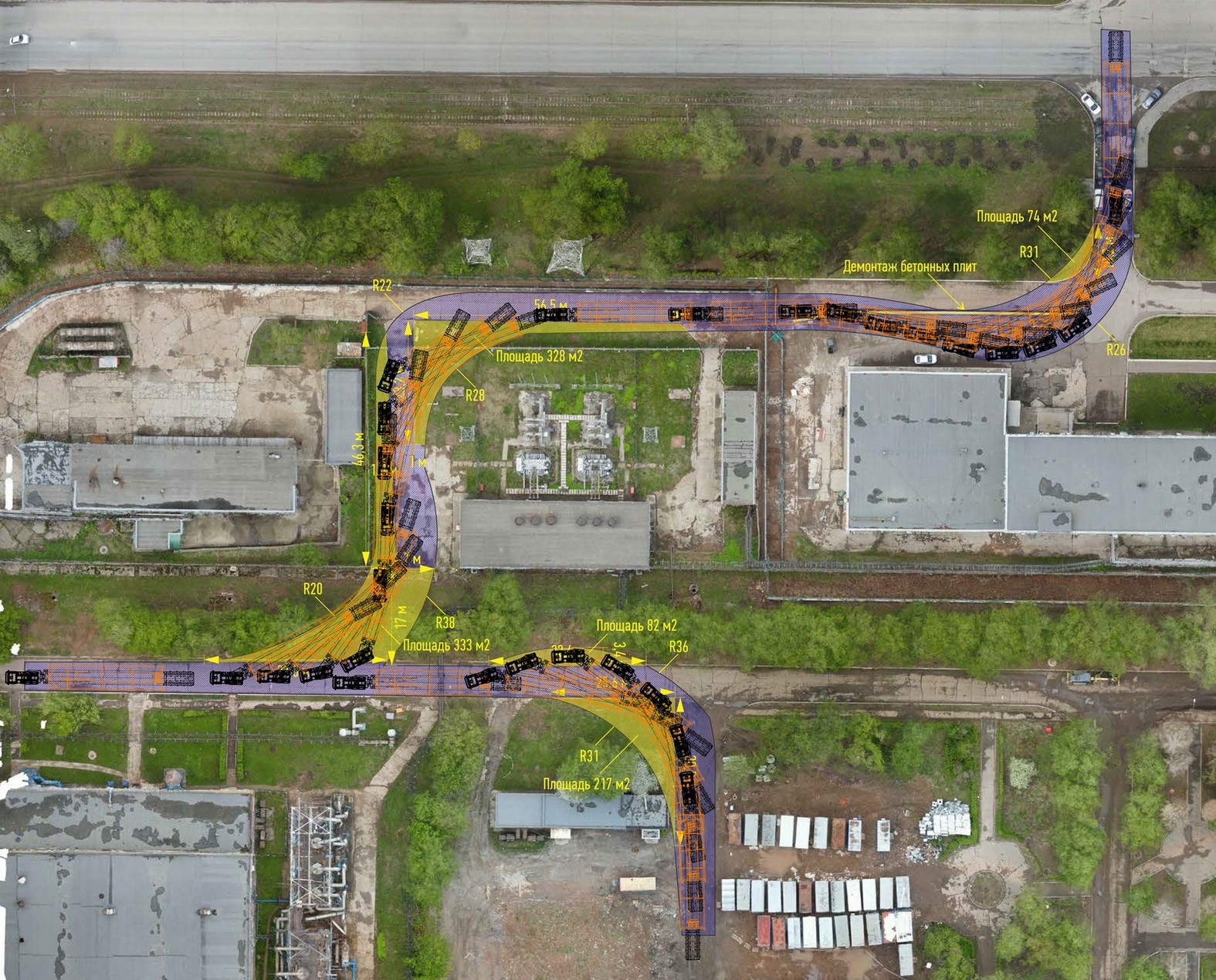
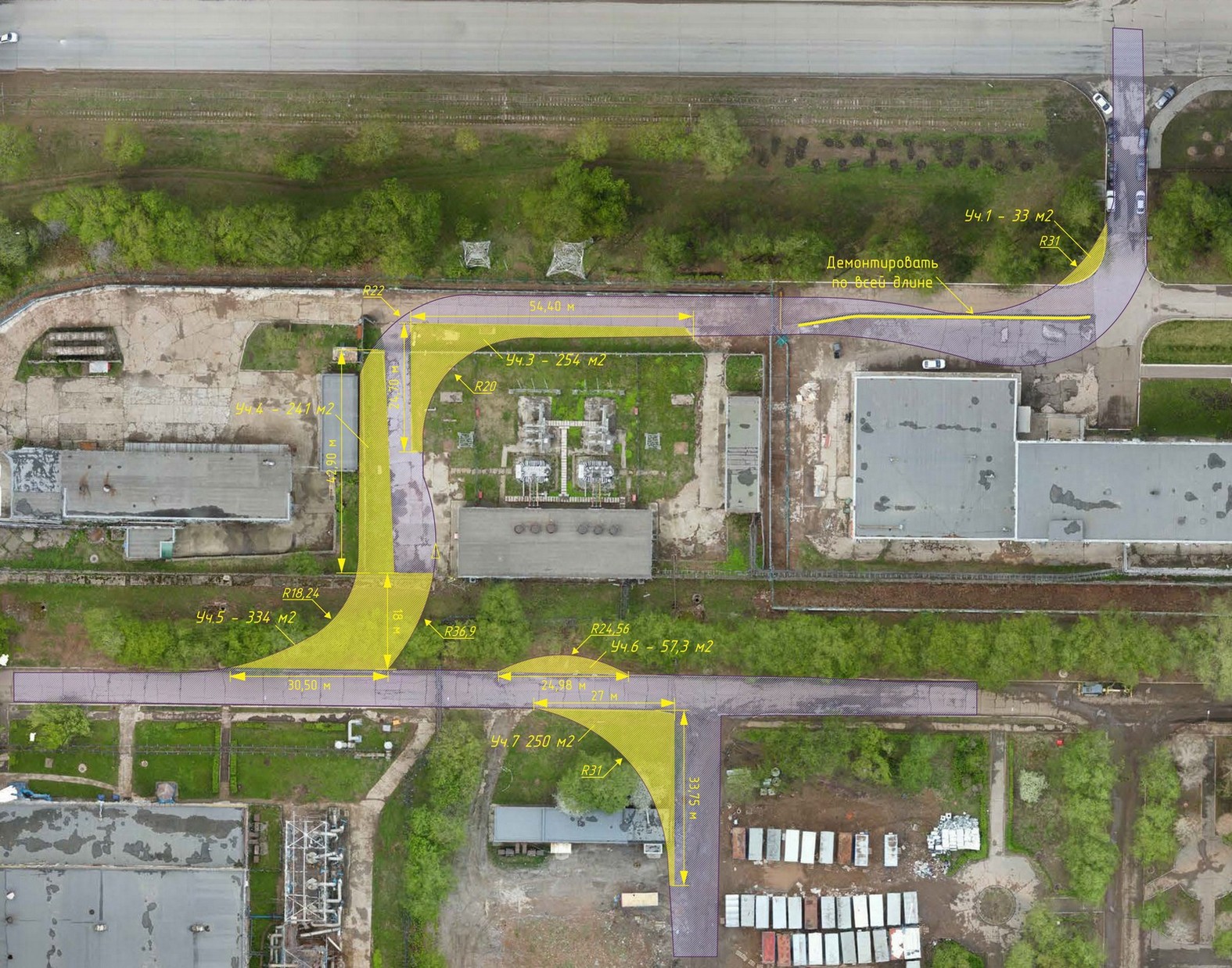
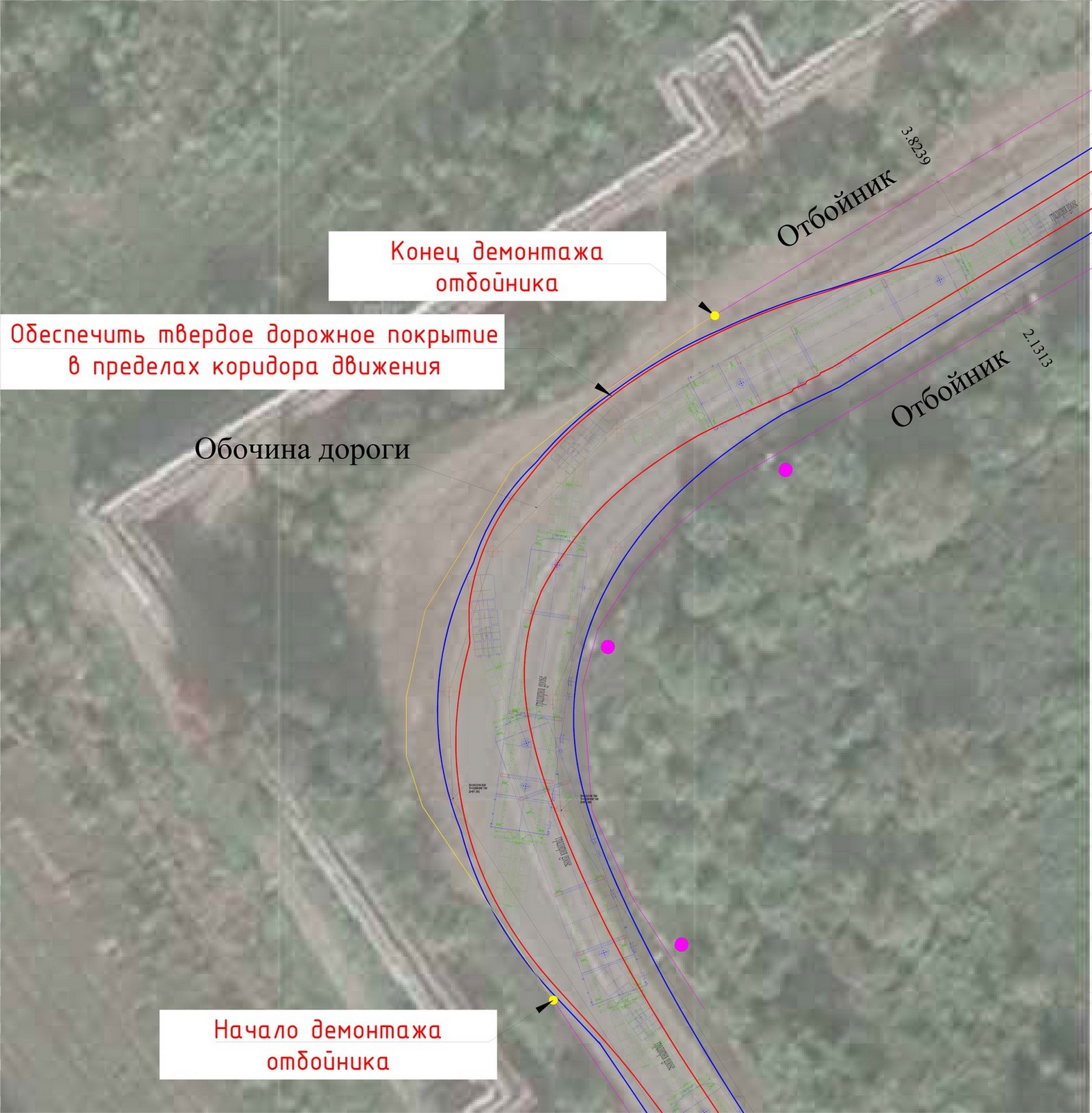
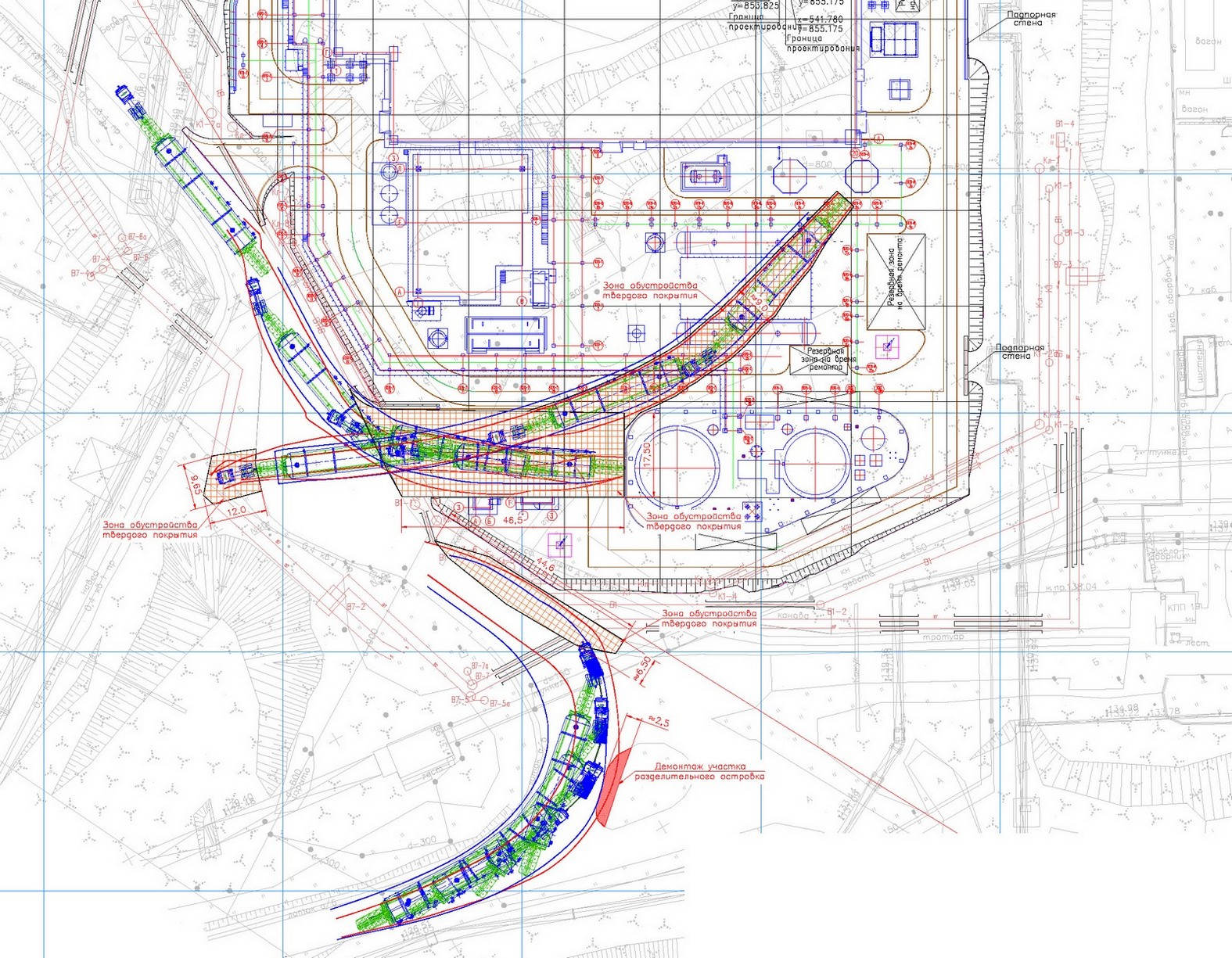
Step 12. Tracing the route of a truck with oversized cargo in order to determine the areas where construction works are required.
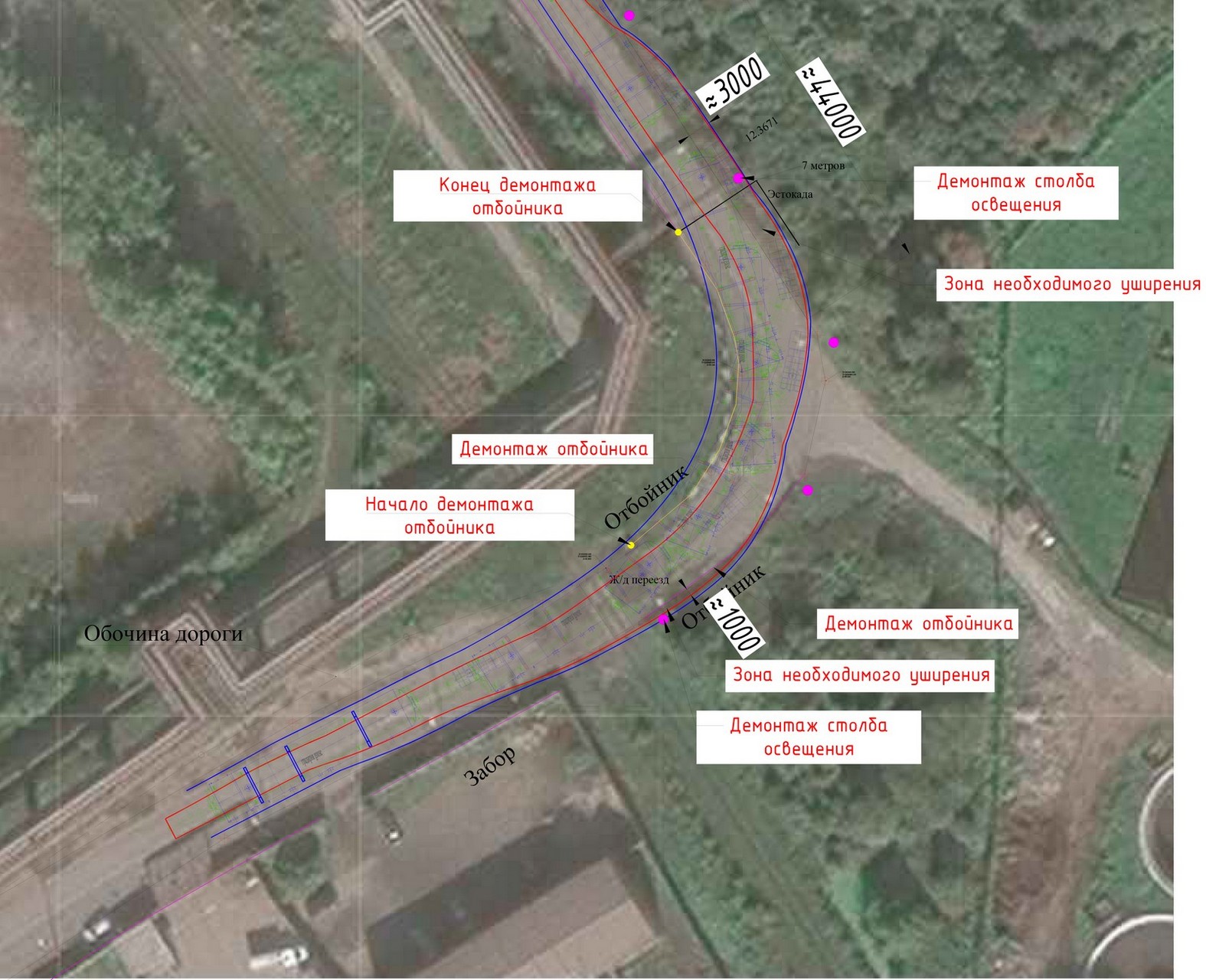
Step 13. Route tracing to determine the scope of required engineering works (road widening, dismantling of guardrails and lighting poles).
Step 14. Preparation of the construction site for the receiving and unloading of OOG and heavy-lift cargoes